Online Portal
 Accessibility
 English

Discover the fastest-growing sectors in the Canary Islands: technology, the audiovisual industry, R&D, and the blue economy, among others.
The Canary Islands is one of the regions in Europe experiencing the fastest growth in the technology sector, and the fastest-growing in Spain in this field, doubling the national average.
Your company is made up of people, ideas, and environment: bring your idea—we’ll take care of the rest.
The Canary Islands are increasingly recognized for their ecosystem of talent, innovation, and advanced training.
With a high-quality university network, cutting-edge research centers, and a robust range of vocational training programs, the archipelago positions itself as an ideal environment for academic and professional development.
Educational offerings aligned with strategic sectors: science, technology, tourism, energy, health, the blue economy, and digital content. The Canary Islands are training and attracting highly qualified talent through a modern, specialized educational landscape that is deeply connected to innovation and the productive sectors of the future—an ideal destination for studying, conducting research, and launching ventures from the heart of the Atlantic.
Universities with a scientific outlook
The archipelago has two public and five private universities that lead higher education and research in the Canary Islands.
University of La Laguna (ULL) – Tenerife
Recognized for its excellence across multiple disciplines, it is particularly notable in the field of Physics, with a strong track record in astrophysics and theoretical physics.
University of Las Palmas de Gran Canaria (ULPGC)
It excels in fields such as engineering—particularly electronics—marine sciences, computer science, and tourism.
The IUMA (University Institute for Applied Microelectronics) at ULPGC is a pioneer in the development of microelectronic technologies, the design of custom electronic systems-on-chip (ASICs and FPGAs), electronics for AI, the design and fabrication of electronic systems, biosensors, and LIDAR systems. It maintains an international reach across sectors such as healthcare, the environment, telecommunications, electronics for astrophysics and space, and industrial automation. Its research team includes scientists of high national and international standing, as recognized in the 2024 ranking by Stanford University.
Centers of Vocational Excellence
The Canary Islands have an extensive network of 180 vocational training centers.
These centers offer programs aligned with the current demands of the labor market, in sectors such as technology, tourism, renewable energy, healthcare, logistics, and the audiovisual industry.
The César Manrique Integrated Vocational Training Centre, which specializes in the audiovisual sector, has recently been recognized as a National Center of Vocational Excellence. The center promotes training in digital production, animation, film, and creative technologies, positioning the Canary Islands as an emerging hub for the audiovisual industry.
Key elements of the educational ecosystem
Competitive educational offerings for strategic sectors: science, technology, tourism, energy, health, the blue economy, and digital content.
The Canary Islands are training and attracting highly qualified talent through a modern, specialized educational offering linked to innovation and the productive sectors of the future. It is an ideal destination for studying, conducting research, and launching ventures from the Atlantic.

Your company is made up of people, ideas, and environment: bring your idea—we’ll take care of the rest.
The Canary Islands are increasingly recognized for their ecosystem of talent, innovation, and advanced training. With a network of excellent universities, cutting-edge research centers, and a robust vocational training offering, the archipelago positions itself as an ideal environment for academic and professional development.
Educational offerings aligned with strategic sectors: science, technology, tourism, energy, health, the blue economy, and digital content. The Canary Islands are training and attracting highly qualified talent through a modern, specialized educational offering linked to innovation and the productive sectors of the future. It is an ideal destination for studying, conducting research, and launching ventures from the Atlantic. Universities with a scientific outlook The archipelago has two public and five private universities that lead higher education and research in the Canary Islands. University of La Laguna (ULL) – Tenerife: Recognized for its excellence across multiple disciplines, it stands out particularly in the field of Physics—with a strong track record in astrophysics and theoretical physics—as well as in medicine, fine arts, and engineering. The University of Las Palmas de Gran Canaria (ULPGC) excels in fields such as engineering—particularly electronics—marine sciences, computer science, and tourism.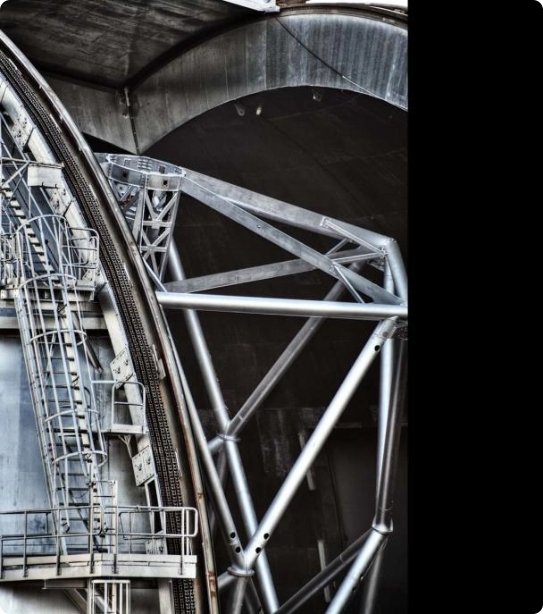
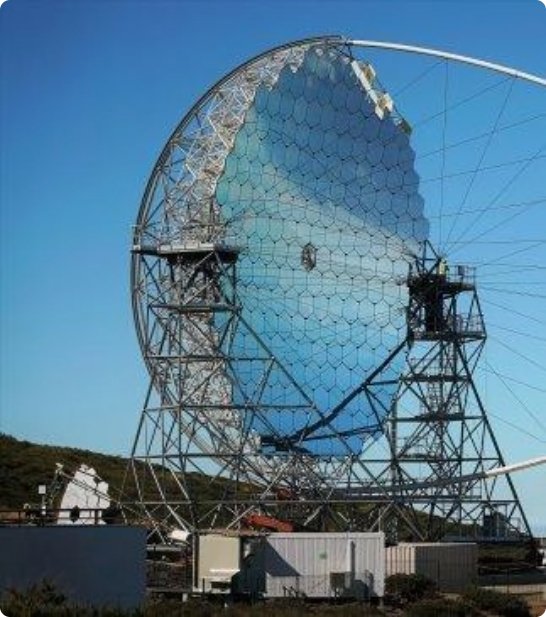
The University of La Laguna ranks first in Spain in the field of physics and second in Europe in scientific research (Research.com).
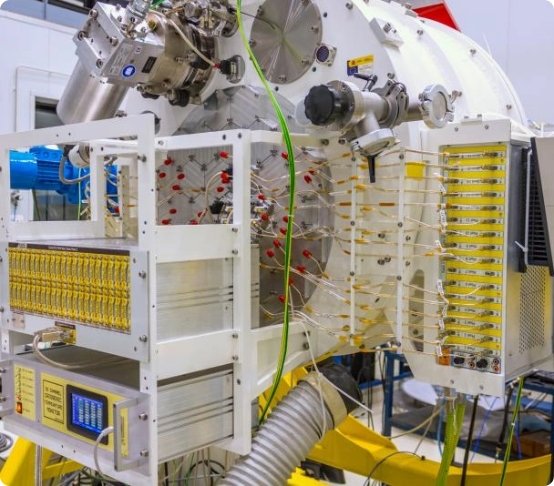
The IUMA (University Institute for Applied Microelectronics) at ULPGC is a pioneer in the development of microelectronic technologies, the design of custom electronic systems-on-chip (ASICs and FPGAs), electronics for AI, the design and manufacturing of electronic systems, biosensors, and LIDAR systems. It maintains an international reach across sectors such as healthcare, the environment, telecommunications, electronics for astrophysics and space, and industrial automation. Its research team includes scientists of high national and international standing, as recognized in the 2024 ranking by Stanford University.
Centers of Vocational Excellence
The Canary Islands have an extensive network of 180 vocational training centers, offering programs aligned with the current demands of the labor market in sectors such as technology, tourism, renewable energy, healthcare, logistics, and audiovisual media.
The César Manrique Integrated Vocational Training Centre, which specializes in the audiovisual sector, has recently been recognized as a National Center of Vocational Excellence. The center promotes training in digital production, animation, film, and creative technologies, positioning the Canary Islands as an emerging hub for the audiovisual industry.
Key elements of the educational ecosystem
Known for leisure, even better for work.
Ideal Climate All Year Round
Quality of life, daylight hours, and a less stressful environment boost productivity, especially among creative and innovative professionals.
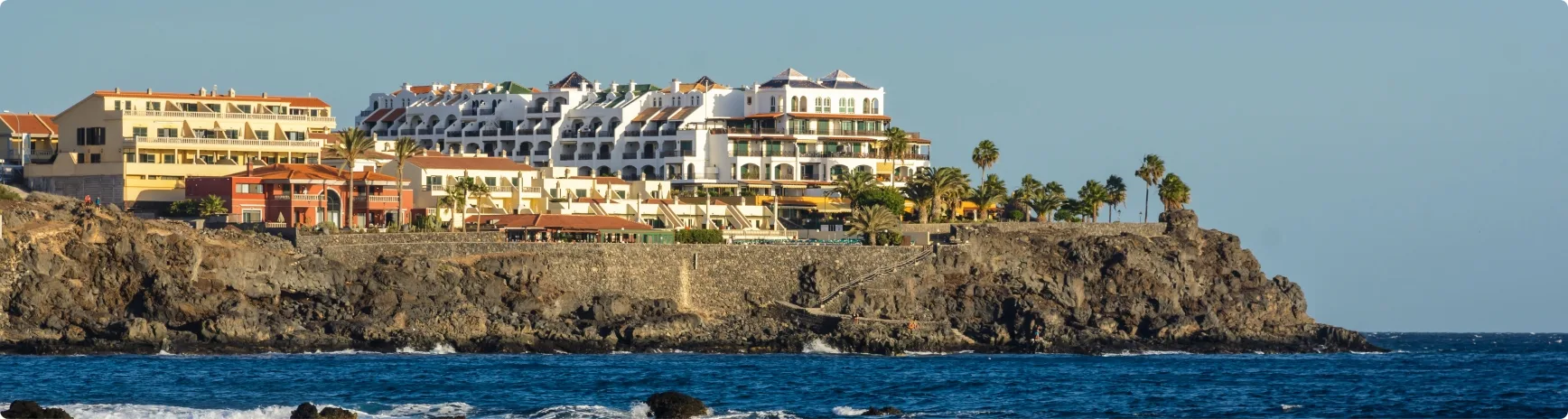
The Canary Islands offer an exceptional quality of life, thanks to their privileged climate, natural surroundings, safety, and well-developed public services. All this makes the archipelago one of the most attractive places to live, work, or enjoy the environment.
With average temperatures ranging from 18°C to 24°C year-round, the Canary Islands enjoy one of the best climates in the world. Minimal seasonal variation and a high number of sunny days foster a healthy, outdoor lifestyle free from the extremes of continental climates, while also generating industry savings that contribute to energy sustainability.
Top-Tier Public and Private Healthcare
The healthcare system in the Canary Islands offers all medical specialties, with particular strengths in oncology, transplants, cardiology, allergology, pediatrics, and gynecology, among others.
Also notable is its advanced medical air transport system, featuring a comprehensive fleet of helicopters and medical evacuation aircraft. The archipelago has nine public hospitals, with the following referral centers standing out:
- Canary Islands University Hospital (HUC) – Tenerife.
- Nuestra Señora de Candelaria University Hospital – Tenerife.
- Doctor Negrín University Hospital of Gran Canaria.
- Insular-Maternal and Child University Hospital Complex of Gran Canaria.
The Canary Islands have an established network of over 25 private hospitals and clinics, offering high-quality medical care to both residents and international visitors.
Quality Education and International Outlook
The islands have an extensive network of more than 1,400 non-university educational institutions, both public and state-subsidized private schools.
In addition, there is a growing offer of international schools with British, German, French, American, Norwegian, and mixed curricula.
This fosters a competitive market for multilingual jobs and creates an ideal environment for international families. The Canary Islands are among the Spanish regions with the highest level of multilingualism.
A Productive, Safe, and Affordable Life
The islands feature in national rankings for their high level of quality of life.
They also stand out for their relatively low cost and good work-life balance. For instance, they feature in the top 10 for Spain in the 2025 Global Startup Ecosystem Index. Low crime rates, cultural diversity, and access to nature make the Canary Islands an ideal environment for those seeking a more efficient and healthy life.
Your company is made up of people, ideas, and environment: bring your idea—we’ll take care of the rest.
The Canary Islands are increasingly recognized for their ecosystem of talent, innovation, and advanced training. With a network of excellent universities, cutting-edge research centers, and a robust vocational training offering, the archipelago positions itself as an ideal environment for academic and professional development.
Educational offerings aligned with strategic sectors: science, technology, tourism, energy, health, the blue economy, and digital content. The Canary Islands are training and attracting highly qualified talent through a modern, specialized educational offering linked to innovation and the productive sectors of the future. It is an ideal destination for studying, conducting research, and launching ventures from the Atlantic. Universities with a scientific outlook The archipelago has two public and five private universities that lead higher education and research in the Canary Islands. University of La Laguna (ULL) – Tenerife: Recognized for its excellence across multiple disciplines, it stands out particularly in the field of Physics—with a strong track record in astrophysics and theoretical physics—as well as in medicine, fine arts, and engineering. The University of Las Palmas de Gran Canaria (ULPGC) excels in fields such as engineering—particularly electronics—marine sciences, computer science, and tourism.The University of La Laguna ranks first in Spain in the field of physics and second in Europe in scientific research (Research.com).
The IUMA (University Institute for Applied Microelectronics) at ULPGC is a pioneer in the development of microelectronic technologies, the design of custom electronic systems-on-chip (ASICs and FPGAs), electronics for AI, the design and manufacturing of electronic systems, biosensors, and LIDAR systems. It maintains an international reach across sectors such as healthcare, the environment, telecommunications, electronics for astrophysics and space, and industrial automation. Its research team includes scientists of high national and international standing, as recognized in the 2024 ranking by Stanford University.
Centers of Vocational Excellence
The Canary Islands have an extensive network of 180 vocational training centers, offering programs aligned with the current demands of the labor market in sectors such as technology, tourism, renewable energy, healthcare, logistics, and audiovisual media.
The César Manrique Integrated Vocational Training Centre, which specializes in the audiovisual sector, has recently been recognized as a National Center of Vocational Excellence. The center promotes training in digital production, animation, film, and creative technologies, positioning the Canary Islands as an emerging hub for the audiovisual industry.
Key elements of the educational ecosystem

Known for leisure, even better for work.
Quality of life, daylight hours, and a less stressful environment boost productivity, especially among creative and innovative professionals.
The Canary Islands offer an exceptional quality of life, thanks to their privileged climate, natural surroundings, safety, and well-developed public services. All this makes the archipelago one of the most attractive places to live, work, or enjoy the environment.
Live in eternal spring.
With average temperatures ranging from 18°C to 24°C year-round, the Canary Islands enjoy one of the best climates in the world. Minimal seasonal variation and a high number of sunny days foster a healthy, outdoor lifestyle free from the extremes of continental climates, while also generating industry savings that contribute to energy sustainability.
Quality Education and International Outlook
The islands boast an extensive network of over 1,400 non-university educational centers—both public and state-subsidized. In addition, there is a growing number of international schools offering British, German, French, American, and Norwegian curricula, as well as mixed-curriculum options.
This fosters a competitive market for multilingual jobs and creates an ideal environment for international families. The Canary Islands are among the Spanish regions with the highest level of multilingualism.
Top-tier public and private healthcare
The Canary Islands’ healthcare system covers all medical specialties, with particular strengths in oncology, transplantation, cardiology, allergology, pediatrics, and gynecology, among others. It also features an advanced air medical transport system, boasting a comprehensive fleet of helicopters and medical evacuation aircraft.
The archipelago has nine public hospitals, with the following referral centers standing out:
- Canary Islands University Hospital (HUC) – Tenerife.
- Nuestra Señora de Candelaria University Hospital – Tenerife.
- Doctor Negrín University Hospital of Gran Canaria.
- Insular-Maternal and Child University Hospital Complex of Gran Canaria.
The Canary Islands have an established network of over 25 private hospitals and clinics, offering high-quality medical care to both residents and international visitors.
A Productive, Safe, and Affordable Life
The islands feature in national rankings for their high quality of life, comparatively low costs, and good work-life balance. For instance, they rank among the top 10 locations in Spain in the Global Startup Ecosystem Index 2025. Low crime rates, cultural diversity, and access to nature make the Canary Islands an ideal environment for those seeking a more efficient and healthy lifestyle.
The Canaries connected to the world, aligned with your time.
The best-connected archipelago in the world
8 islands that function as one
- Your office at the center of the world, and in sync with everyone else.
- Make your workday worth twice as much without working twice as hard.
- More than 360 direct maritime connections from Canary Islands ports to 112 countries.
- 2,070,000 TEUs per year.
- 351 ships repaired per year.
WEEKLY DIRECT FLIGHTS, INCLUDING TO:
ESTIMATED FLIGHT TIME TO:
02:30h
Madrid
05:00h
Berlin
04:00h
London
04:20h
Dublin
05:30h
Oslo
08:30h
Toronto
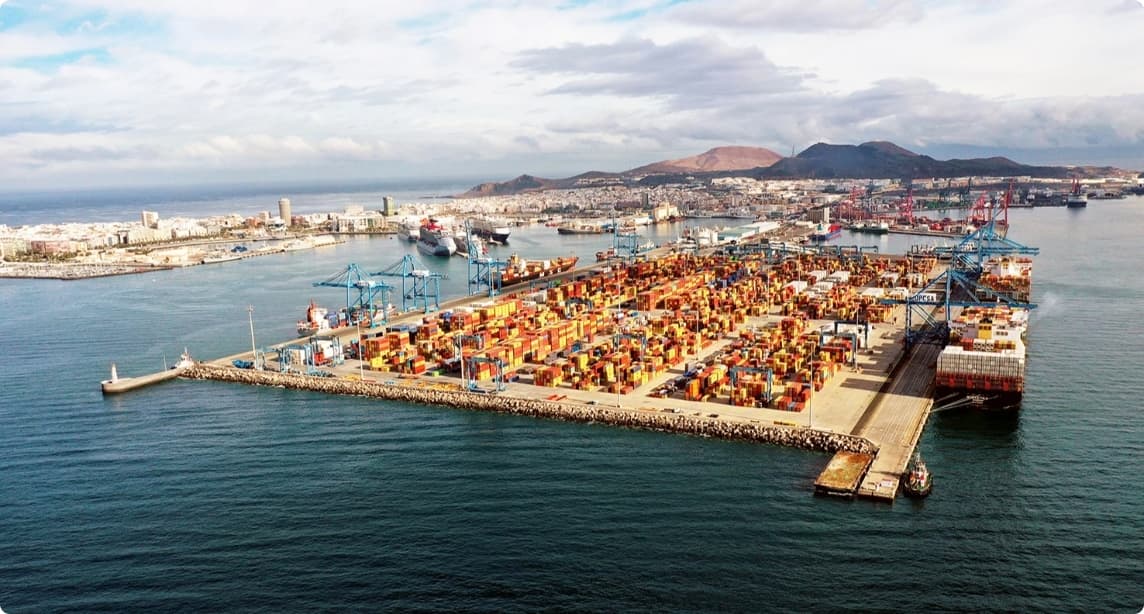
YOUR MARITIME HUB IN THE MID-ATLANTIC:
2.070.000 TEUs
(containers) per year.
351 ships
repaired per year
3.300.000 tons
annual fuel-refueling.
360 connections
direct maritime links with 112 countries.
11,700,000
annual maritime passengers
Your company is made up of people, ideas, and environment: bring your idea—we’ll take care of the rest.
The Canary Islands are increasingly recognized for their ecosystem of talent, innovation, and advanced training. With a network of excellent universities, cutting-edge research centers, and a robust vocational training offering, the archipelago positions itself as an ideal environment for academic and professional development.
Educational offerings aligned with strategic sectors: science, technology, tourism, energy, health, the blue economy, and digital content. The Canary Islands are training and attracting highly qualified talent through a modern, specialized educational offering linked to innovation and the productive sectors of the future. It is an ideal destination for studying, conducting research, and launching ventures from the Atlantic. Universities with a scientific outlook The archipelago has two public and five private universities that lead higher education and research in the Canary Islands. University of La Laguna (ULL) – Tenerife: Recognized for its excellence across multiple disciplines, it stands out particularly in the field of Physics—with a strong track record in astrophysics and theoretical physics—as well as in medicine, fine arts, and engineering. The University of Las Palmas de Gran Canaria (ULPGC) excels in fields such as engineering—particularly electronics—marine sciences, computer science, and tourism.The University of La Laguna ranks first in Spain in the field of physics and second in Europe in scientific research (Research.com).
The IUMA (University Institute for Applied Microelectronics) at ULPGC is a pioneer in the development of microelectronic technologies, the design of custom electronic systems-on-chip (ASICs and FPGAs), electronics for AI, the design and manufacturing of electronic systems, biosensors, and LIDAR systems. It maintains an international reach across sectors such as healthcare, the environment, telecommunications, electronics for astrophysics and space, and industrial automation. Its research team includes scientists of high national and international standing, as recognized in the 2024 ranking by Stanford University.
Centers of Vocational Excellence
The Canary Islands have an extensive network of 180 vocational training centers, offering programs aligned with the current demands of the labor market in sectors such as technology, tourism, renewable energy, healthcare, logistics, and audiovisual media.
The César Manrique Integrated Vocational Training Centre, which specializes in the audiovisual sector, has recently been recognized as a National Center of Vocational Excellence. The center promotes training in digital production, animation, film, and creative technologies, positioning the Canary Islands as an emerging hub for the audiovisual industry.
Key elements of the educational ecosystem

The Canaries connected to the world, aligned with your time.
The best-connected archipelago in the world: 8 islands that function as one.
- Your office at the center of the world, and in sync with everyone else.
- Make your workday twice as productive without working more hours.
- More than 360 direct maritime connections from Canary Islands ports to 112 countries.
- 20 TEUs annually; 350 ships repaired per year.
WEEKLY DIRECT FLIGHTS TO:
ESTIMATED FLIGHT TIME TO:
02:30h
Madrid
02:00h
Lisbon
04:00h
París
04:00h
London
04:20h
Ireland
07:00h
New York
Great consumer technology; at the forefront of technology for extreme environments.
Cutting-edge technologies for extreme environments, such as space or the deep sea.
In the heart of the Atlantic, the Canary Islands are establishing themselves as a benchmark for technological innovation.
Thanks to a strategic combination of local talent, advanced infrastructure, and a strong international outlook, the archipelago drives technological solutions that transcend borders. It excels in areas such as business technology services, software programming, and technical support. The Institute of Astrophysics of the Canary Islands, in collaboration with other international organizations, leads the DESI (Dark Energy Spectroscopic Instrument) astronomical infrastructure project, which aims to map the universe.
Key capabilities
Global connectivity and high-performance computing centers.
The islands have participated in top-tier projects—such as the development of cutting-edge microchips in collaboration with Intel, Samsung, and Tokyo Electron Limited—by providing key simulation and technical validation services, supported by powerful advanced computing resources installed locally.
International scientific excellence
We have one of the most important astrophysical centers in the world.
The Roque de los Muchachos Observatory, on La Palma, is one of the most important astrophysical centers in the world. Its infrastructure, which includes the Gran Telescopio Canarias (GTC), has been essential in research on the universe and the origin of the Big Bang, positioning the Canary Islands at the forefront of world science. This translates into transfer to private projects in astronomical instrumentation, advanced optics, electronics, data analysis and software, medicine, aerospace, AI or telecommunications.
World leaders
Cutting-edge technology from the Canary Islands to the world.
The company AerolasER has been involved in international projects—such as the scanning of the Panama Canal using high-precision laser technology—and has contributed to the modernization of the Spanish electrical grid through geolocation and 3D modeling solutions.
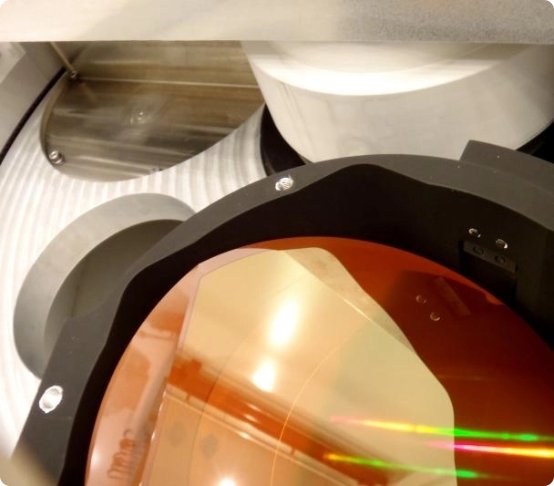
The company Wooptix is able to measure chip wafers using its own proprietary wavefront phase imaging technology, capturing millions of data points with sub-nanometer resolution. This improves control over the chip manufacturing process.
Digital solutions for large-scale global events
Canarian technology at the service of the world.
From the Canary Islands, ATOS manages software for UEFA, the Olympic Games, the London Underground, technical support for Airbus, numerous European banks, and EU institutions, among others.
Opportunities and future
We connect talent, technology, and territory. The Canary Islands: a global innovation platform.
The Canary Islands’ technology ecosystem represents a unique opportunity for companies and investors seeking innovation, quality, and international reach. With a diversified economy, attractive tax incentives, and a strong talent pool, the islands are poised to lead the next wave of digital transformation.
Your company is made up of people, ideas, and environment: bring your idea—we’ll take care of the rest.
The Canary Islands are increasingly recognized for their ecosystem of talent, innovation, and advanced training. With a network of excellent universities, cutting-edge research centers, and a robust vocational training offering, the archipelago positions itself as an ideal environment for academic and professional development.
Educational offerings aligned with strategic sectors: science, technology, tourism, energy, health, the blue economy, and digital content. The Canary Islands are training and attracting highly qualified talent through a modern, specialized educational offering linked to innovation and the productive sectors of the future. It is an ideal destination for studying, conducting research, and launching ventures from the Atlantic. Universities with a scientific outlook The archipelago has two public and five private universities that lead higher education and research in the Canary Islands. University of La Laguna (ULL) – Tenerife: Recognized for its excellence across multiple disciplines, it stands out particularly in the field of Physics—with a strong track record in astrophysics and theoretical physics—as well as in medicine, fine arts, and engineering. The University of Las Palmas de Gran Canaria (ULPGC) excels in fields such as engineering—particularly electronics—marine sciences, computer science, and tourism.The University of La Laguna ranks first in Spain in the field of physics and second in Europe in scientific research (Research.com).
The IUMA (University Institute for Applied Microelectronics) at ULPGC is a pioneer in the development of microelectronic technologies, the design of custom electronic systems-on-chip (ASICs and FPGAs), electronics for AI, the design and manufacturing of electronic systems, biosensors, and LIDAR systems. It maintains an international reach across sectors such as healthcare, the environment, telecommunications, electronics for astrophysics and space, and industrial automation. Its research team includes scientists of high national and international standing, as recognized in the 2024 ranking by Stanford University.
Centers of Vocational Excellence
The Canary Islands have an extensive network of 180 vocational training centers, offering programs aligned with the current demands of the labor market in sectors such as technology, tourism, renewable energy, healthcare, logistics, and audiovisual media.
The César Manrique Integrated Vocational Training Centre, which specializes in the audiovisual sector, has recently been recognized as a National Center of Vocational Excellence. The center promotes training in digital production, animation, film, and creative technologies, positioning the Canary Islands as an emerging hub for the audiovisual industry.
Key elements of the educational ecosystem

Great consumer technology; at the forefront of technology for extreme environments.
Cutting-edge technologies for extreme environments, such as space or the deep sea.
In the heart of the Atlantic, the Canary Islands are establishing themselves as a hub for technological innovation. Thanks to a strategic combination of local talent, advanced infrastructure, and a strong international outlook, the archipelago drives technological solutions that transcend borders. It excels in areas such as business technology services, programming, and support.
The Institute of Astrophysics of the Canary Islands, together with other international organizations, leads the DESI (Dark Energy Spectroscopic Instrument) astronomical infrastructure project to map the universe.
Key capabilities
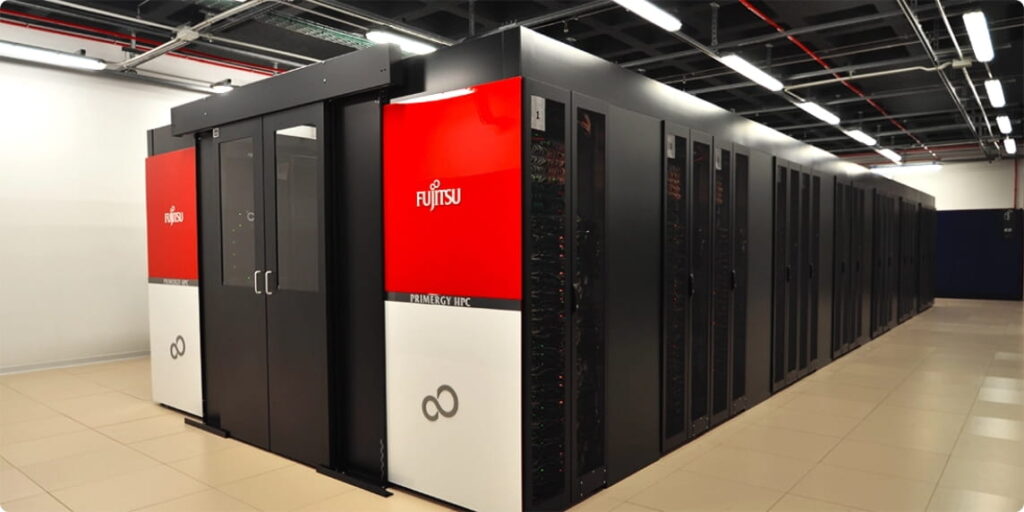
Global connectivity and high-performance computing centers. The islands have participated in top-tier projects—such as the development of state-of-the-art microchips in collaboration with Intel—providing key simulation and technical validation services powered by robust, locally installed advanced computing resources.
International scientific excellence
The Roque de los Muchachos Observatory, on La Palma, is one of the most important astrophysical centers in the world. Its infrastructure, which includes the Gran Telescopio Canarias (GTC), has been essential in research on the universe and the origin of the Big Bang, positioning the Canary Islands at the forefront of world science. This translates into transfer to private projects in astronomical instrumentation, advanced optics, electronics, data analysis and software, medicine, aerospace, AI or telecommunications.
Success stories
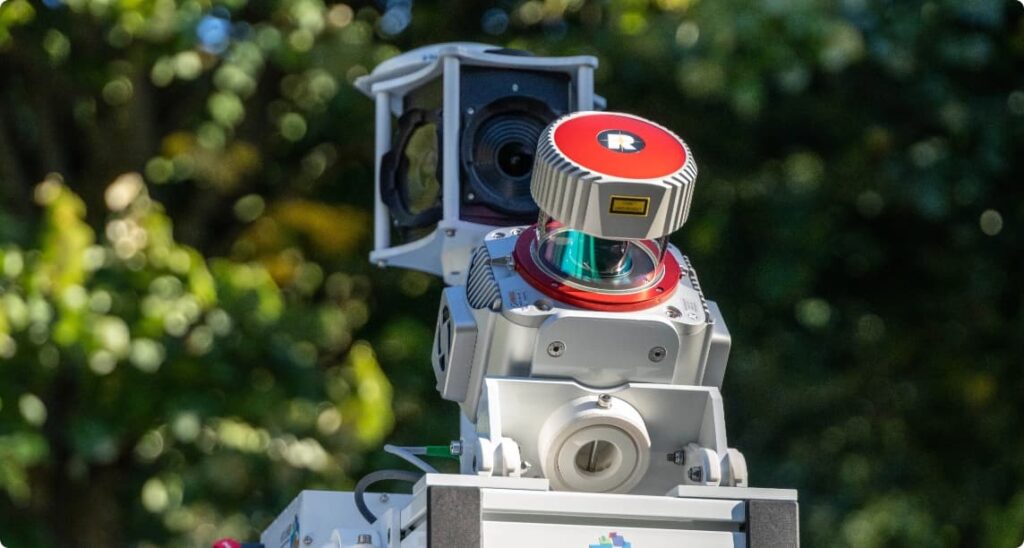
Precision laser technology from the Canary Islands to the world. The company AerolasER has spearheaded international projects—such as the scanning of the Panama Canal using high-precision laser technology—and has contributed to the modernization of the Spanish electrical grid through geolocation and 3D modeling solutions.
International scientific excellence
The Roque de los Muchachos Observatory, on La Palma, is one of the most important astrophysical centers in the world. Its infrastructure, which includes the Gran Telescopio Canarias (GTC), has been essential in research on the universe and the origin of the Big Bang, positioning the Canary Islands at the forefront of world science. This translates into transfer to private projects in astronomical instrumentation, advanced optics, electronics, data analysis and software, medicine, aerospace, AI or telecommunications.
Success stories
Precision laser technology from the Canary Islands to the world. The company AerolasER has spearheaded international projects—such as the scanning of the Panama Canal using high-precision laser technology—and has contributed to the modernization of the Spanish electrical grid through geolocation and 3D modeling solutions.
European legal certainty
Integrated into the European Union’s legal and judicial system, the Canary Islands offer full guarantees of legal certainty and protection for both individuals and businesses.
Application of European standards in:

Data protection

Free competition

Financial regulations